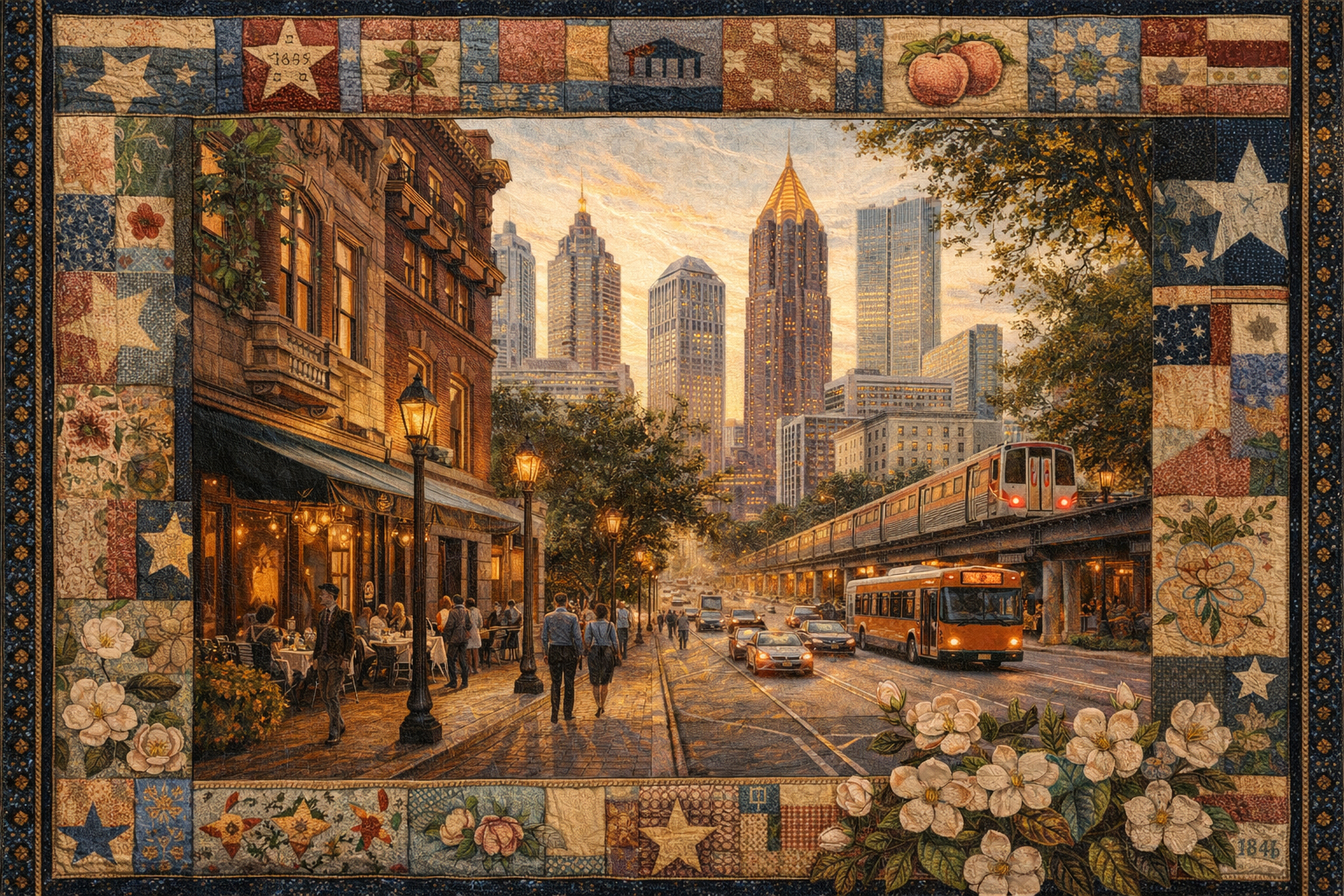
多くの都市再生プロジェクトは、either infrastructure か lifestyle destination のどちらかに見えがちです。 BeltLine の面白さは、その二つが unusually close に重なって見えるところにあります。 かつての rail corridor が linear park になり、art corridor にもなり、 neighborhoods の背後をつなぐ circulation spine にもなり、 さらに future transit まで vision の中に入っている。 この layered quality が、Atlanta BeltLine をただ人気の trail 以上のものにしています。
modern に感じられる第一の理由は、過去の infrastructure が “捨てられていない” ことにある
BeltLine の core image は、new build fantasy ではありません。 Historic rail corridors を新しい city life の骨格へ変えているところに、この project の modernity があります。 Official digital media kit でも、BeltLine は historic rail corridors 上に built された 22-mile loop of trails, parks, art, and future transit と説明されています。 つまり “modern” とは、blank slate の上に shiny object を置くことではなく、 inherited infrastructure を still usable urban future へ翻訳することなのだと、ここは very clearly 示しています。
この project が新しく見えるのは、one thing ではなく system に見えるからである
Official goals page は、trails, parks, transit, affordable housing, economic development, business support, and public art を core programmatic goals として掲げています。 22 miles of transit, 46 miles of streetscapes, 5,600 affordable homes, 50,000 permanent jobs といった数値目標が並ぶのも象徴的です。 つまり BeltLine は recreational amenity にとどまらず、 Atlanta の都市構造そのものへ介入する multipurpose framework として語られています。
この “amenity と policy が同じ corridor に見える” 感じが very modern です。 走る人もいれば、public art を見る人もいる。 近くに new business districts が育ち、streetscape や housing の議論も起きる。 BeltLine は一つの用途に閉じず、city-scale system に見えるからこそ、 casual promenade 以上の contemporary power を持つのです。
trail の体験が modern なのは、park なのに city を very strongly 感じるから
多くの linear parks は、都市から切り離された relief space としてつくられます。 BeltLine はそうではありません。 Official visit page は restaurants, entertainment districts, art installations, and neighborhood connections を強く打ち出し、 trail が city life の outside ではなく city life の middle にあることを示しています。 つまり BeltLine を歩く experience は escape ではなく, edited immersion です。
ここが Atlanta 的であり、very 2020s 的でもあります。 人は自然だけを求めているのではなく、car-free movement と urban energy の両方を欲している。 BeltLine はそれを very well understand しています。 樹木や greenway がありながら、すぐ横に commerce と dining と public art がある。 この simultaneousness が、BeltLine を “modern public realm” と感じさせます。
Atlanta / Public Realm Spine
Atlanta BeltLine
22-mile loop と 45 neighborhoods をつなぐ Atlanta の代表的 urban corridor。 trail, parks, dining, art, and future transit が together で見えるため、 BeltLine の modernity を最も directly 体験できる official entry point です。
public art の存在が、BeltLine を infrastructure から culture へ押し上げている
Modern infrastructure は、just efficient であるだけでは弱い。 それが memory と identity を持つには、cultural layer が必要です。 Official parks-and-trails page は BeltLine を one of the largest public art exhibitions in the U.S. Southeast と説明し、 2025 anniversary post では Atlanta BeltLine Art program が nearly 800 arts events and installations を生み出してきたとしています。 これは非常に大きい。 Trail を使う行為が、そのまま cultural encounter にもなっているのです。
つまり BeltLine は、transport corridor の future と art corridor の present を 同じ場所に重ねています。 Infrastructure が often cold になりがちな現代都市において、 これほど visibly expressive な civic spine は very unusual です。 それが “modern” を sterile ではなく vibrant に見せる理由の一つです。
Transit が “まだ全部できていない” ことさえ、むしろ modern に感じられる
BeltLine の core goals page では、22 miles of transit が明確に vision の中に置かれています。 Construction updates pages も recurring に design and construction progress を公開しており、 trail, parks, and transit の future-tense が very visible です。 つまり BeltLine は完成された object ではなく, publicly legible process でもあります。
ここが interesting です。 一般に unfinished project は weak に見えがちです。 けれど BeltLine では、ongoing build-out 自体が modern impression を強めています。 The city is visibly making itself. Segments open, others break ground, transit planning continues, streetscapes extend. この “now and next” の両方が同時に見える状態こそ、 BeltLine が deeply contemporary に感じられる理由でしょう。
funding structure まで含めて、BeltLine は modern urban redevelopment の顔をしている
Invest Atlanta の BeltLine TAD page は、Atlanta BeltLine Tax Allocation District が 2005年に created され、 local funding source として project implementation を支えるためのものだと説明しています。 これは visitor が trail を歩くだけでは見えにくい層ですが、 city-making としての BeltLine を理解するには important です。
Modern city projects are not only made of concrete and landscape design. They are also made of financing mechanisms, redevelopment logic, and public governance. BeltLine が “modern” に見えるのは、美しい trail surface の下に very contemporary urban-development machinery が still operating しているからでもあります。 それが visible enough to matter, yet not so visible that it kills the pleasure of walking.
Atlanta / Redevelopment Framework
Atlanta BeltLine TAD
BeltLine が trail 以上の urban transformation project であることを示す重要な public framework。 local funding source としての TAD があることで、この corridor は amenity ではなく city-building system に見えてきます。
結局、BeltLine が modern に見えるのは “single-use space” ではないからである
公園なのか。 Mobility corridor なのか。 Real-estate catalyst なのか。 Public art venue なのか。 BeltLine は、そのどれでもあり、どれ一つにも還元できません。 そしてそれこそが modernity の感じ方を生んでいます。 Single-use spaces belong to older city logics. Mixed civic infrastructures belong to newer ones.
Atlanta BeltLine は、urban life が recreation, culture, movement, and development を separate ではなく continuous に experience したがっていることを体現しています。 だからここを歩くと、未来的というより “already updated” に感じる。 BeltLine は tomorrow の fantasy ではなく, today’s city rewritten in a smarter syntax なのです。
Atlanta’s BeltLine feels modern not because it is new, but because it makes infrastructure, culture, movement, and city life feel like one continuous sentence.
Why Atlanta’s BeltLine Feels So Modern。 その答えは、surface design だけではありません。 Historic rail corridor の reuse、22-mile loop の urban logic、45 neighborhoods の connectivity、 trails, parks, public art, future transit, affordable housing, streetscapes, redevelopment finance。 それらが together で BeltLine を “nice trail” 以上のものにしています。 Atlanta の modernity は skyscraper だけにあるのではなく、 people moving through this corridor and recognizing that a city can be simultaneously useful, social, green, and unfinished in the right way にもあるのです。